Concrete Retaining Wall Contractor in Troy, IL
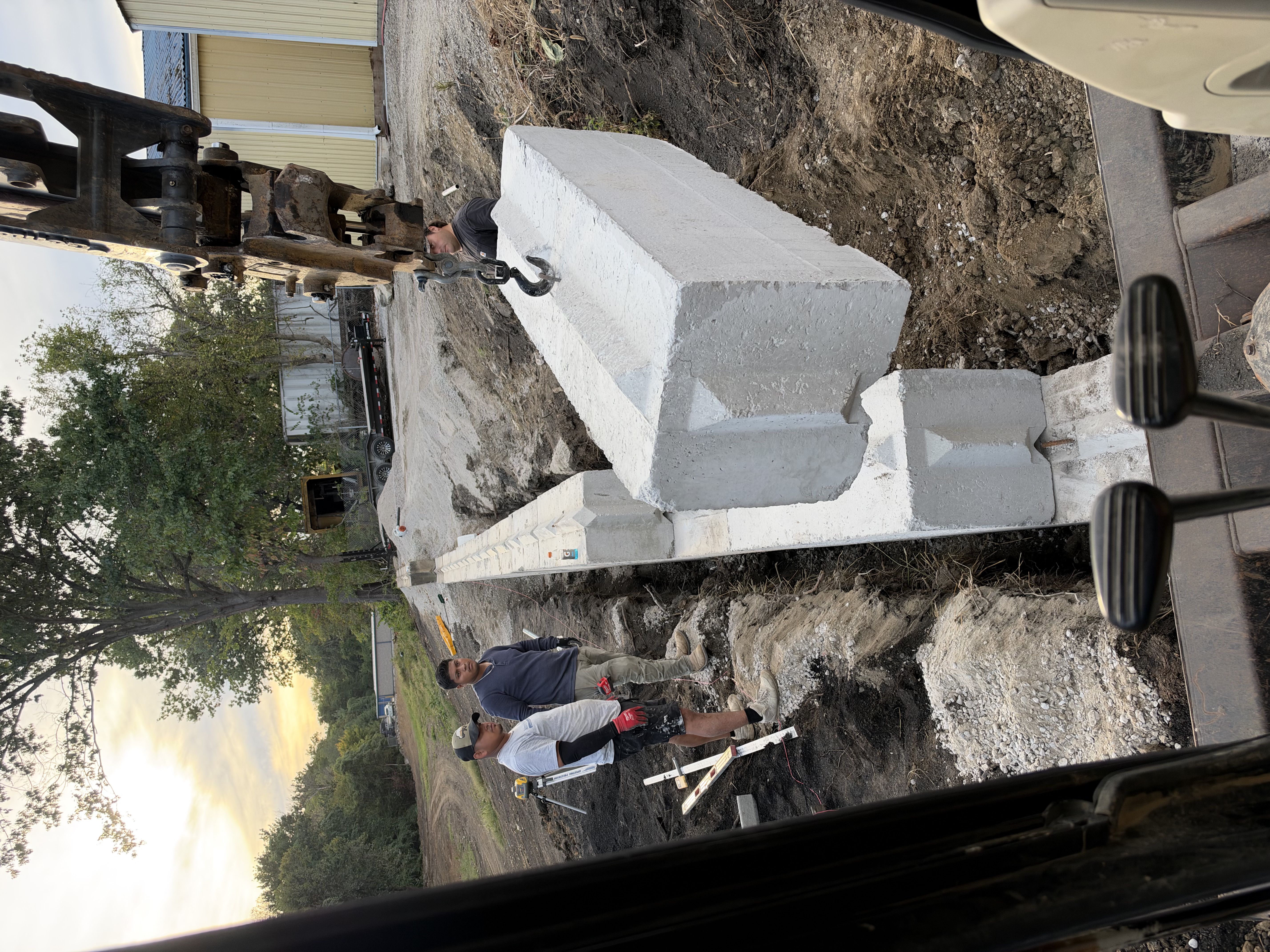
A retaining wall does real structural work — it holds back earth that would otherwise wash down your slope, collapse your driveway edge, or eat into your yard. JW Concrete Construction builds concrete retaining walls across Troy and the Metro East that are engineered to hold the load behind them, not just look good for a season before bulging outward.
Services & Options
Concrete Retaining Walls — What We Do
Concrete Retaining Wall Installation
New retaining walls poured to hold back grade, with proper footing and reinforcement for the height and load.
Retaining Wall Replacement
Remove a failing wall — timber, block, or poured — and build a new concrete wall that actually holds.
Grade-Support Walls
Lower walls and curbing that manage elevation changes, direct water flow, and define grade.
Decorative Wall Finishes
Poured walls finished with texture or pattern so the wall looks as good as it performs.
Is This Right for You
When to Call for Concrete Retaining Walls
Property owners with a slope, a drop-off, or an elevation change call us when the grade is washing out, when an existing wall is failing, or when they're terracing a hillside to create usable yard space. Driveway edges that are crumbling into a ditch often need a retaining wall to hold the grade. If you have a wall that's leaning, bulging, or separating, replacement is usually the only real fix.
Choosing the Right Option
How to Decide What You Need
Taller walls that hold back significant grade need a proper footing and reinforcement engineered for the load — these are structural pours, not decorative. Lower walls and curbing manage smaller elevation changes and define grade without the same engineering. If an existing wall is failing, we assess whether the cause is poor drainage, inadequate footing, or just age, and build the replacement to address it. We'll tell you what the wall needs to actually hold.
What to Know
Requirements & What to Expect
- Retaining walls need excavation for the footing and access for forming and pouring. Drainage behind the wall is critical — water buildup is the number one cause of wall failure — so we build drainage into the install. Taller walls may require engineering or permits depending on height and location; we'll flag that during the estimate. We handle excavation, forming, reinforcement, pouring, and drainage.
- A free on-site estimate where Jacob walks the project and gives you a straight price.
Our Work
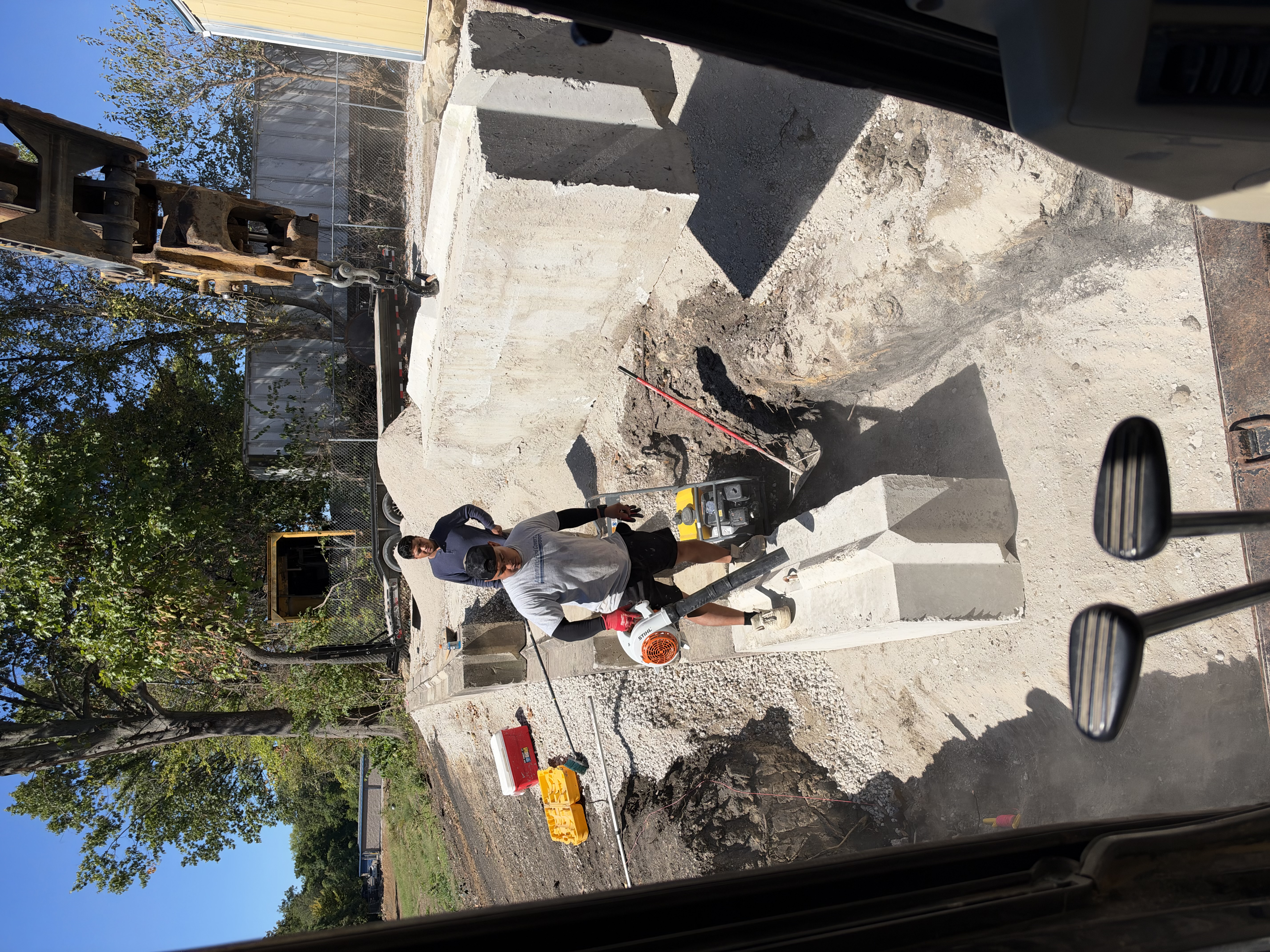
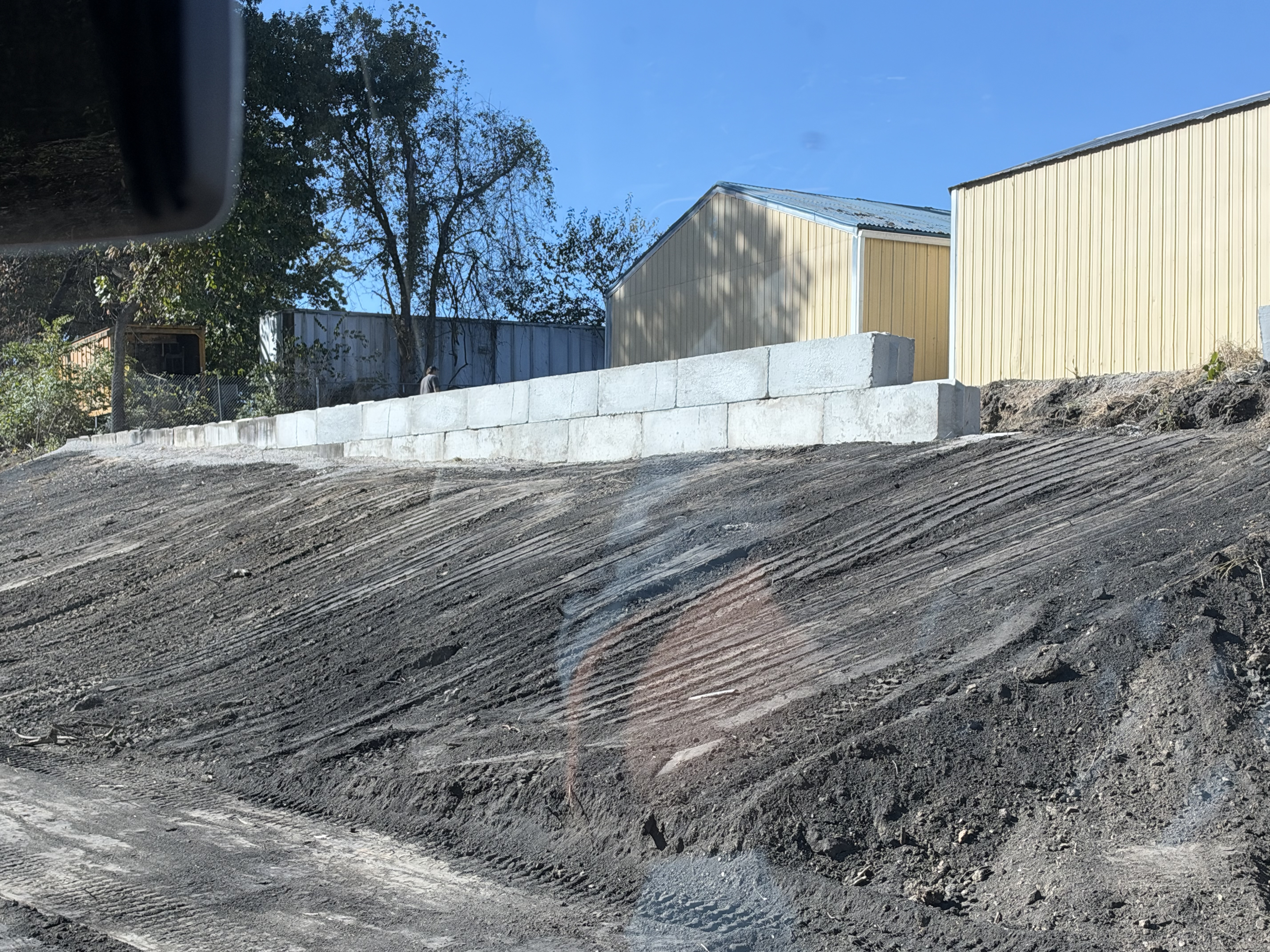
Concrete Retaining Walls — Recent Projects
Questions & Answers
Concrete Retaining Walls FAQ
Real questions customers ask about this specific service.
How tall can a concrete retaining wall be?+
Taller walls need engineering for the footing and reinforcement to handle the load. We'll assess the height and grade and let you know if engineering is required for your wall.
Why do retaining walls fail?+
The most common cause is water pressure building up behind the wall with no way to drain. We build drainage into every wall so hydrostatic pressure doesn't push it over.
Can you replace a timber or block retaining wall with concrete?+
Yes — we remove the failing wall, excavate for a proper footing, and pour a concrete wall engineered to hold the same grade, usually much more durably.
Do concrete retaining walls need drainage?+
Always. Without drainage behind the wall, water pressure builds up and pushes the wall forward. We install drainage as a standard part of every retaining wall.
How long does a concrete retaining wall last?+
A properly engineered and drained concrete retaining wall lasts decades — far longer than timber or unreinforced block walls that rot, lean, or collapse.
Can a retaining wall look decorative?+
Yes, we can finish a poured concrete wall with texture, pattern, or color so it looks like natural stone while still doing its structural job.
How tall can a retaining wall be before it needs engineering in Madison County?+
As a general rule, any wall over about four feet of exposed height that holds back grade needs an engineered footing and reinforcement — and most local jurisdictions require a permit and engineered drawings at that height. Lower gravity walls and curbing that manage a small elevation change can often be built without engineering. The clay soils across Madison County hold water and push hard against a wall, so we size the footing, reinforcement, and drainage to the actual height and load rather than guessing, and we'll tell you when a wall needs engineering before we pour.
Why does hydrostatic pressure cause retaining walls to fail here?+
Hydrostatic pressure is the force of water building up behind a wall with no way to drain — and in the clay soils around Troy and the Metro East, water doesn't percolate away, it stacks up against the back of the wall. That pressure pushes the wall outward until it leans, bulges, or collapses. The fix is drainage built into the wall from the start: a gravel backfill, weep holes or a drain pipe, and the right filter fabric so the drainage path stays open. We build drainage into every retaining wall so water never gets the chance to push it over.
Can a retaining wall support my driveway edge?+
Yes — a driveway edge that's crumbling into a ditch or slope is one of the most common reasons property owners call us. We pour a structural retaining wall with a proper footing and reinforcement engineered to hold the grade under the driveway load, with drainage so water doesn't undermine it. Tying the wall into the driveway slab with a clean joint keeps the edge from washing out and the driveway from settling at the approach.
Related Services
More Commercial Concrete Services
More commercial concrete we pour across Troy and the Metro East.
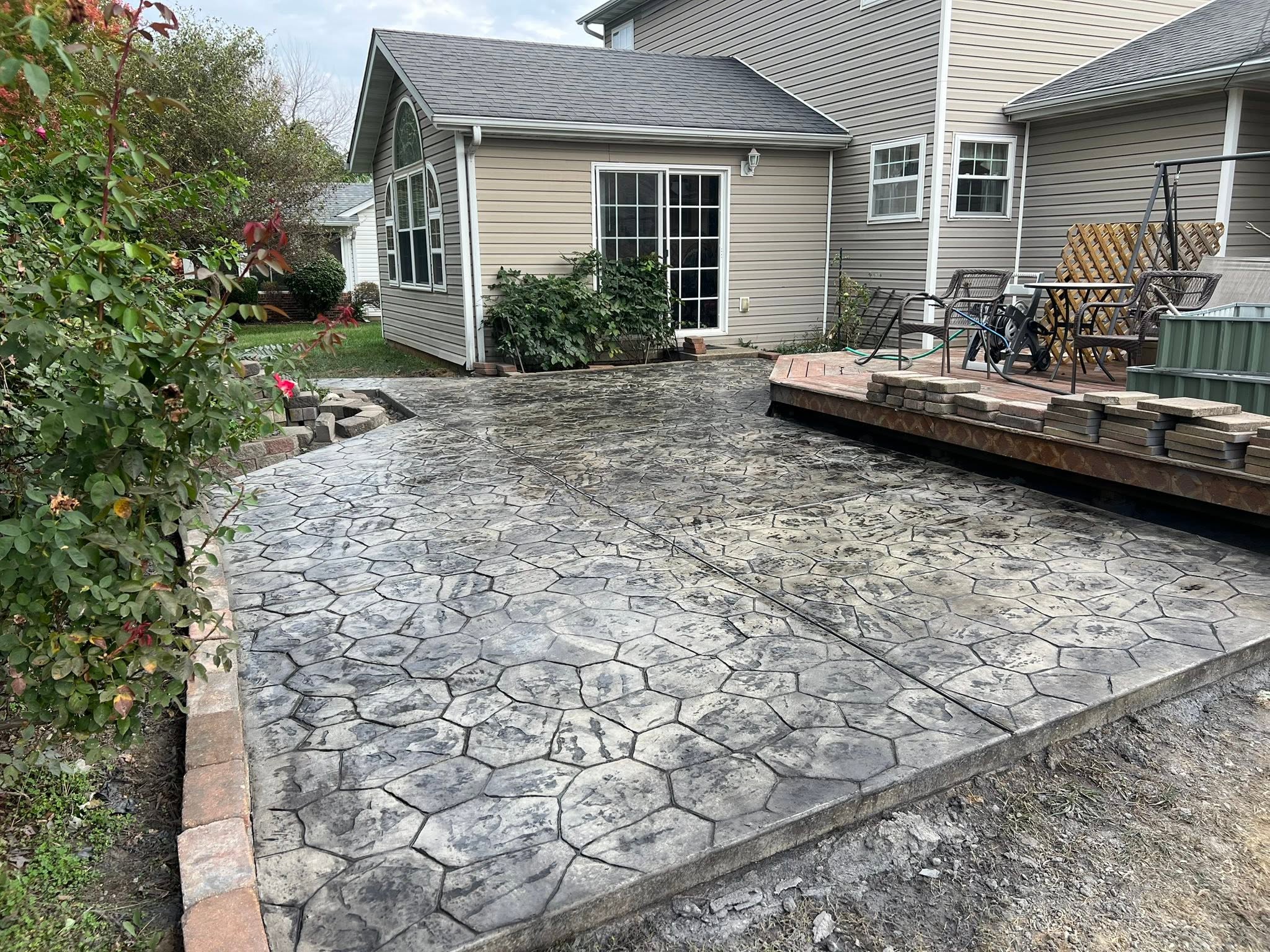
YOUR PROJECT STARTS HERE
Tell us about your project today for a free estimate. Straight answers, real numbers — we look forward to working with you.
Get a Free Estimate
Tell us about your concrete retaining walls project and Jacob will get back to you within 24 hours.